Restricted filters, duct issues, blower problems, or other system conditions can affect the amount of air reaching rooms.
HEATING • COOLING • AIRFLOW
Comfort Starts With a System That Works Together
Heating, cooling, airflow, and temperature control all depend on the condition of the equipment and the way the system operates as a whole. Our HVAC services focus on understanding the system, identifying the issue, and addressing the work required for the home.
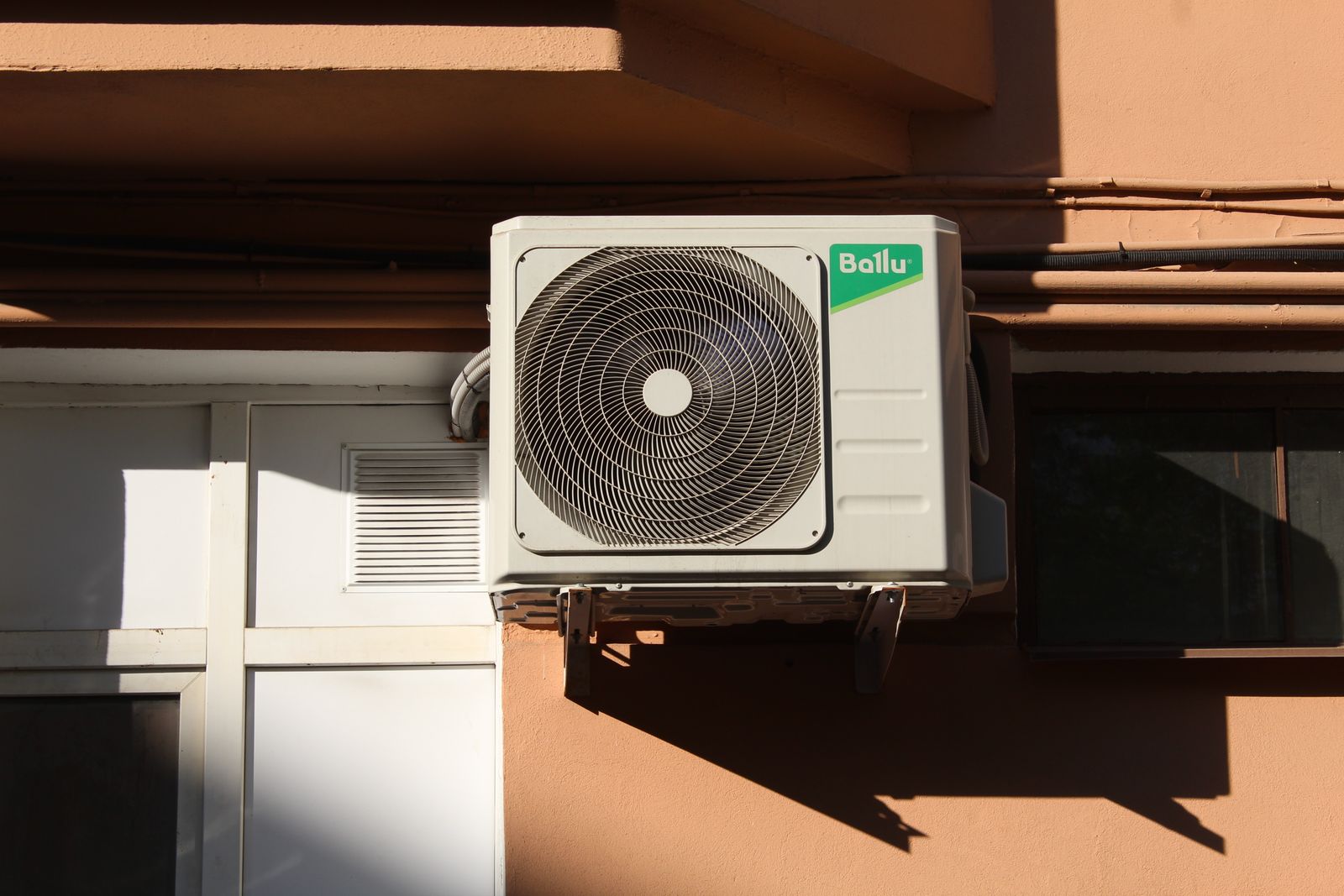
Cooling
Air conditioning systems, airflow, temperature control, and cooling-related service.
Heating
Furnaces, heat pumps, heating controls, and system operation.
Airflow
Filters, ductwork, registers, return air, and distribution concerns.
Maintenance
Inspection, cleaning, testing, and routine system care.
SYSTEM SIGNS
Small Changes Can Point to Larger HVAC Problems
Unusual operation often shows up through changes in airflow, temperature, sound, cycling, or moisture. Noting what changed and when can make it easier to describe the problem accurately.
Differences between rooms can relate to airflow distribution, ductwork, controls, insulation, or equipment operation.
Changes in sound may indicate loose components, blower issues, electrical components, or mechanical wear.
Condensate drainage problems can cause moisture around cooling equipment.
Repeated starting and stopping can have several causes involving controls, airflow, sizing, or equipment condition.
SERVICES
HVAC Work Built Around the System
 AC SERVICE
Main Service
Air Conditioning Service
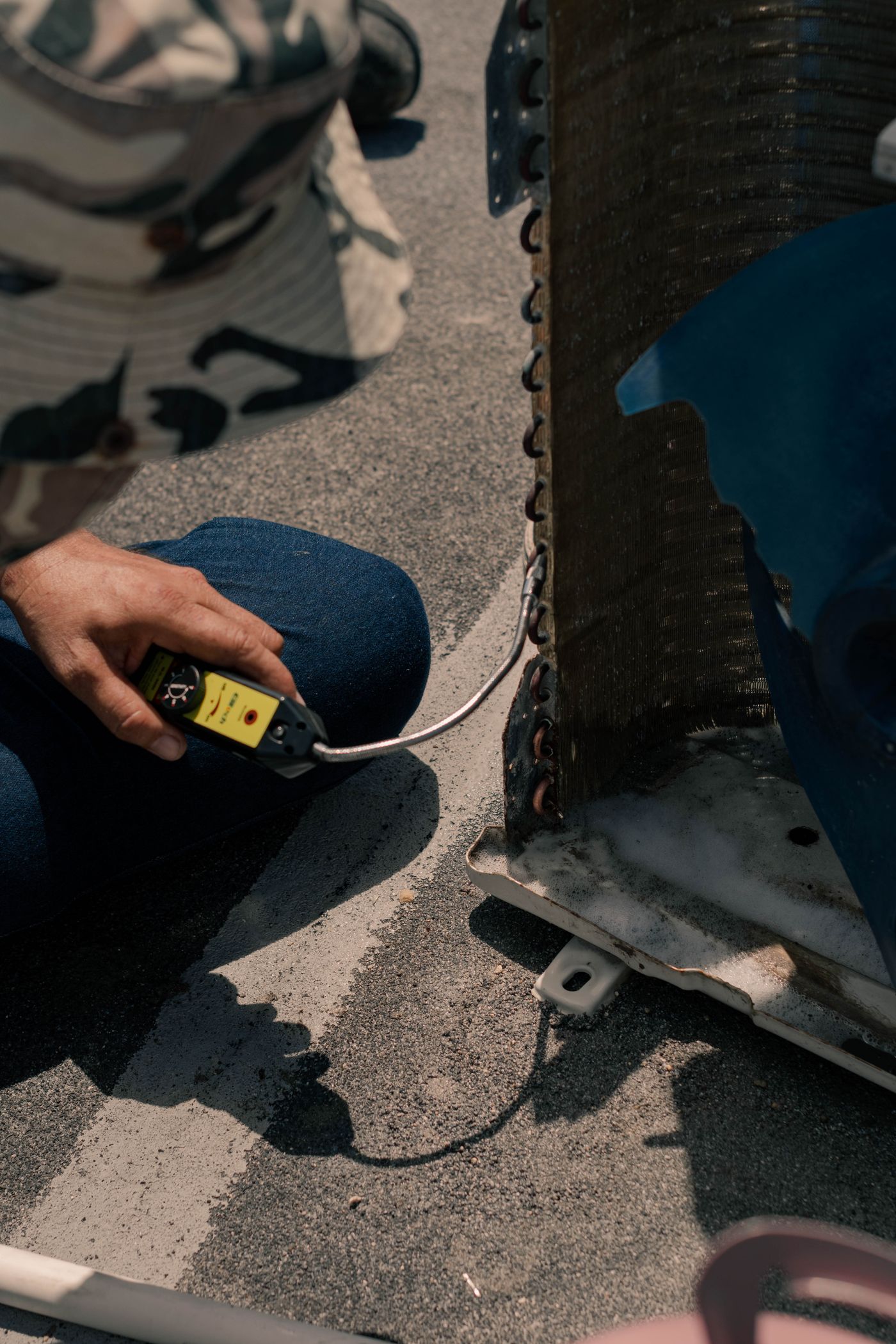
Cooling service can involve checking system operation, airflow, temperature differences, electrical components, coils, drainage, and refrigerant-related conditions.
Discuss your systemAC Repair
Diagnosis of cooling problems and inspection of related components.
Furnace Service
Inspection and service of heating equipment and operating components.
Heat Pump Service
Assessment of heating and cooling operation, airflow, controls, and system components.
Ductwork & Airflow
Inspection of airflow distribution, accessible ductwork, registers, and return-air paths.
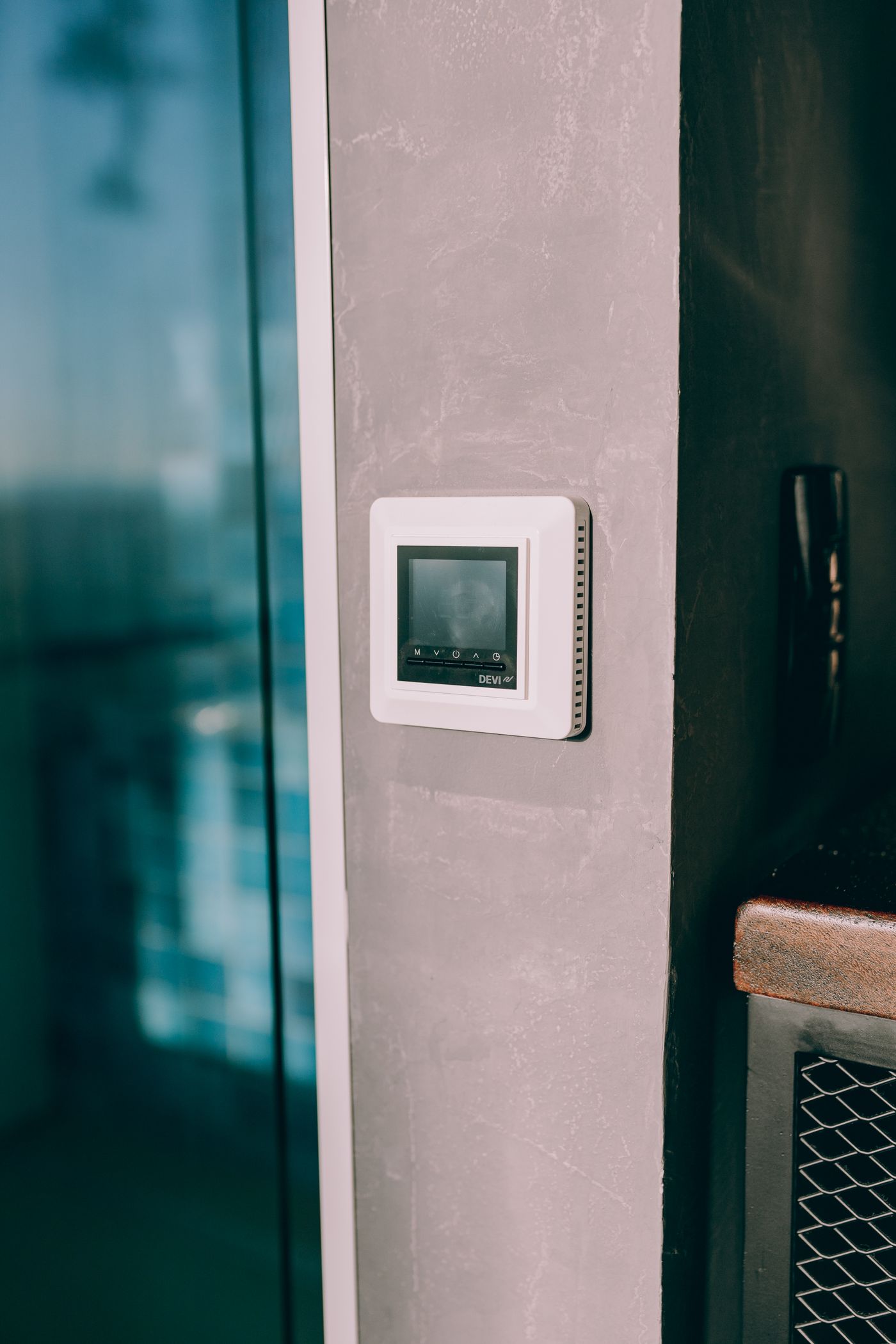
Thermostat & Controls
Checking thermostat operation and system control behavior.
Indoor Airflow
Filter, blower, return-air, and distribution-related checks.
SYSTEM ANATOMY
Know the Parts Behind Your Comfort
A split system combines indoor and outdoor components that work through the same ductwork and controls.
-
01
Thermostat
Controls the requested indoor temperature and communicates with the HVAC system.
-
02
Air Filter
Helps capture airborne particles before air moves through the system.
-
03
Indoor Coil
A key component in the cooling process of many split systems.
-
04
Blower
Moves conditioned air through the home's air distribution system.
-
05
Outdoor Unit
Contains major components involved in releasing heat during cooling operation.
-
06
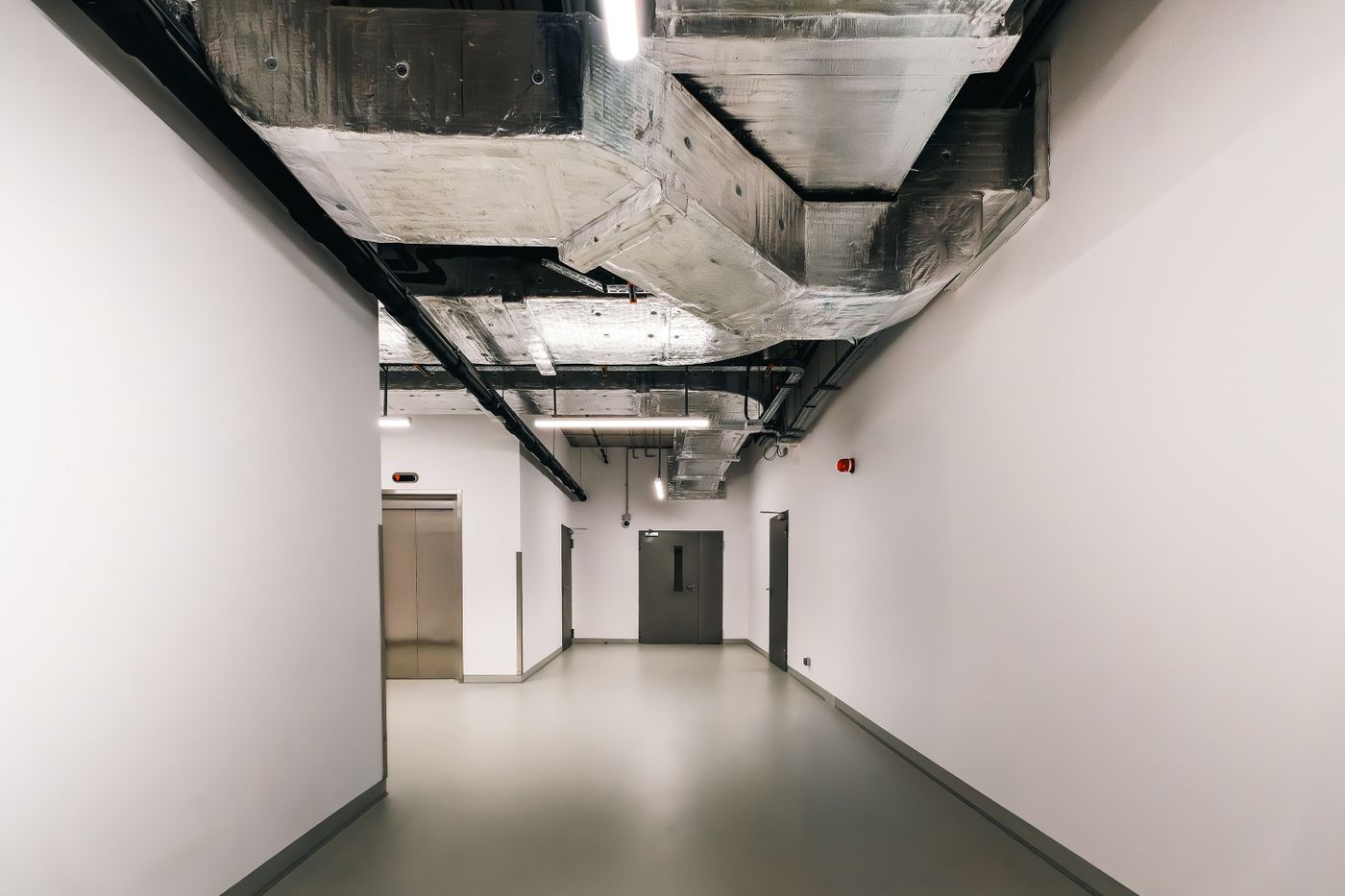
Ductwork
Carries conditioned air between the HVAC equipment and occupied rooms.
MAINTENANCE
Routine Care Has a Purpose
HVAC maintenance involves inspection, cleaning, testing, and attention to components that affect system operation.
01
Inspect
Check equipment condition, controls, airflow, accessible electrical components, and visible system issues.
02
Clean
Address accessible buildup around filters, coils, drains, blower components, and other serviceable areas as appropriate.
03
Test
Observe system operation, temperature differences, airflow, controls, and operating behavior.
04
Document
Explain findings and identify maintenance or repair work that may need attention.
REPAIR PROCESS
From System Check to Next Step
Servicing is a sequence of observation, testing, and explanation rather than a single action.
-
01
Observe
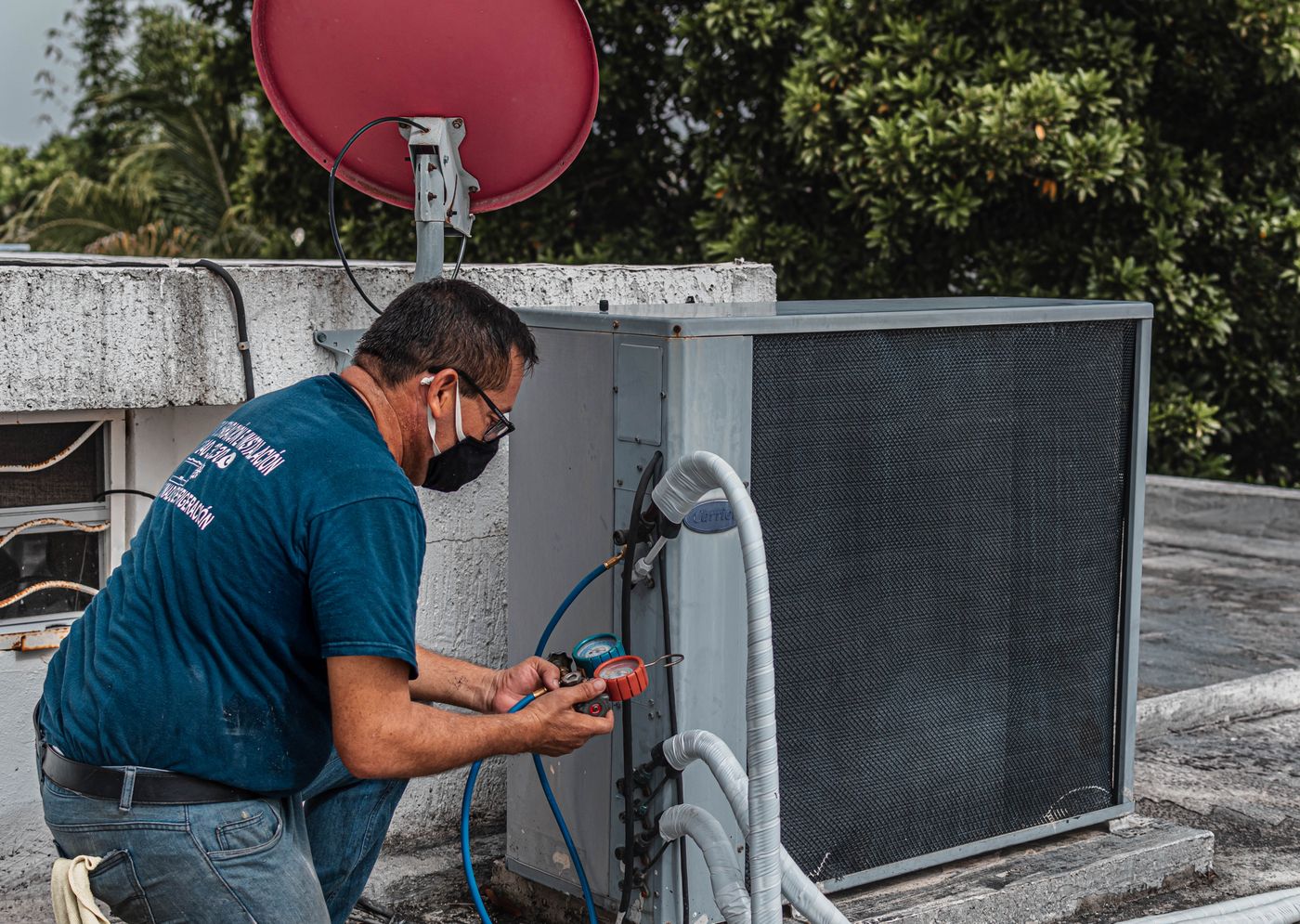
Review the reported problem and inspect the HVAC equipment.
-
02
Test
Check relevant system components and operating conditions.
-
03
Identify
Determine which components or conditions are contributing to the issue.
-
04
Explain
Describe the findings in straightforward language.
-
05
Service
Complete the appropriate repair or maintenance work based on the system's condition.
ABOUT
A Practical Approach to HVAC Service
HVAC systems are made up of connected components that influence temperature, airflow, humidity, and overall indoor comfort. A useful service visit starts with understanding how those components are operating together rather than focusing on a single symptom.
The goal is to identify the condition of the system, explain what the inspection shows, and outline the work that is appropriate for the equipment.
Business
All HVAC Repair Pros
Location
Chula Vista, CA.
CONTACT
Let's Talk About Your HVAC System
Describe the heating, cooling, airflow, or system issue you are noticing and provide the basic details needed to discuss the next step.